Field guide / 03 / Camera logistics
Keep the Camera System Working
Build a dependable chain from travel bag to prepared housing, from water entry to clean files. Each handover deserves as much thought as the lens choice.
Pack a system you can explain
Start with the photographs you intend to practise and identify the smallest familiar system that supports them. Extra ports, lenses and lighting accessories add weight, assembly choices and failure points. A streamlined kit can make a short workshop more productive, especially when workspace and charging capacity are shared.
Assemble and test the complete configuration at home according to the manufacturer’s instructions. Confirm that controls reach their intended functions, the camera fits correctly and the selected port is compatible with the lens and housing. Check fibre-optic or electrical connections and practise finding essential controls without relying on perfect visibility.
Record model numbers, serial numbers and the parts that cannot be substituted locally. Keep manuals available offline. If a component fails abroad, a clear description is more useful than a photograph of an unidentified adapter. Check the territorial limits, exclusions and claims requirements of any equipment insurance before departure.
Ask how the kit moves through the trip
Transport and baggage
Check each carrier’s current baggage and battery rules, including regional connections and small-boat transfers. Do not assume an international allowance continues onto a domestic flight. Protect terminals and pack batteries in accordance with the applicable carrier and aviation requirements. Keep essential documentation accessible and avoid relying on an informal promise of extra allowance.
Preparation and storage
Ask for a clean, dry workspace protected from spray and hurried traffic. Establish where open housings can be handled and where assembled cameras are secured. A table used for wet diving equipment is not automatically a suitable assembly surface. Avoid leaving a rig where it can roll, fall or obstruct emergency access.
Boat and water handovers
Agree the handling method with the crew before entry. Identify safe lifting points using the housing manufacturer’s guidance; do not assume an arm, cable or accessory is load-bearing. Follow local entry procedures and avoid trying to improvise a camera pass while managing an unfamiliar ladder, tender or rough surface.
A seal check is a procedure, not a superstition
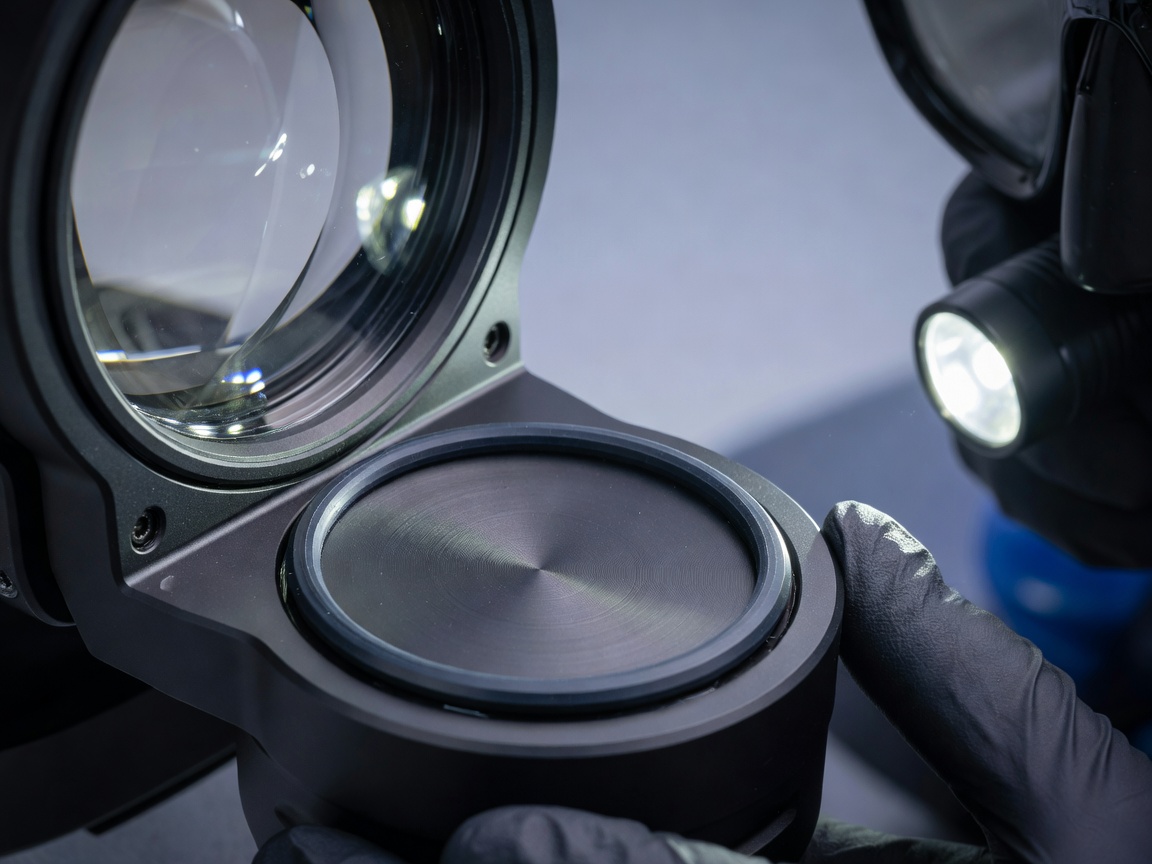
Follow the housing’s specific instructions for seal inspection, cleaning, lubrication and closure. Different materials and designs may require different care. More lubricant is not automatically better, and a generic recommendation should never override the specified product or method. Keep hair, grit and loose fibres away from sealing surfaces.
If your system has a vacuum or leak-detection function, use it exactly as instructed and understand what it does not prove. It does not make incorrect assembly harmless or guarantee that a housing cannot flood. A failed check, warning signal or unexplained change is a reason to stop and investigate, not to hope the next dive will be different.
Never delay a safe ascent, emergency response or attention to a buddy because of a camera problem. Equipment is replaceable. If a housing leaks, prioritise the dive situation and obtain the manufacturer’s advice on handling damaged batteries and electronics once safely out of the water.
Confirm the facilities in useful detail
A claim of “camera friendly” is only a starting point. Use precise questions to reveal whether the facilities match your workflow.
| Need | Question to ask | What to prepare |
|---|---|---|
| Charging | Which sockets, power hours and supervised charging rules apply? | Compatible chargers, approved adapters and labelled cables. |
| Rinsing | Is there a camera-only rinse arrangement, and how is it managed? | A method consistent with the housing manual; protection against impacts. |
| Workspace | Can the system be opened in a clean, dry area? | A clean working mat and an organised small-parts pouch. |
| Backups | Is there enough power and secure space for a daily file routine? | Compatible readers and separate storage copies. |
| Repairs | What assistance or supplies are actually available? | Manufacturer-approved spares you know how to use. |
Shared rinse containers deserve care: crowded rigs can strike each other, and long unattended soaking is not a substitute for following the manual. Do not open a housing in a wet handling area. Clarify who is responsible for moving equipment when the boat departs or the rinse station is cleared.
End the day with recoverable files
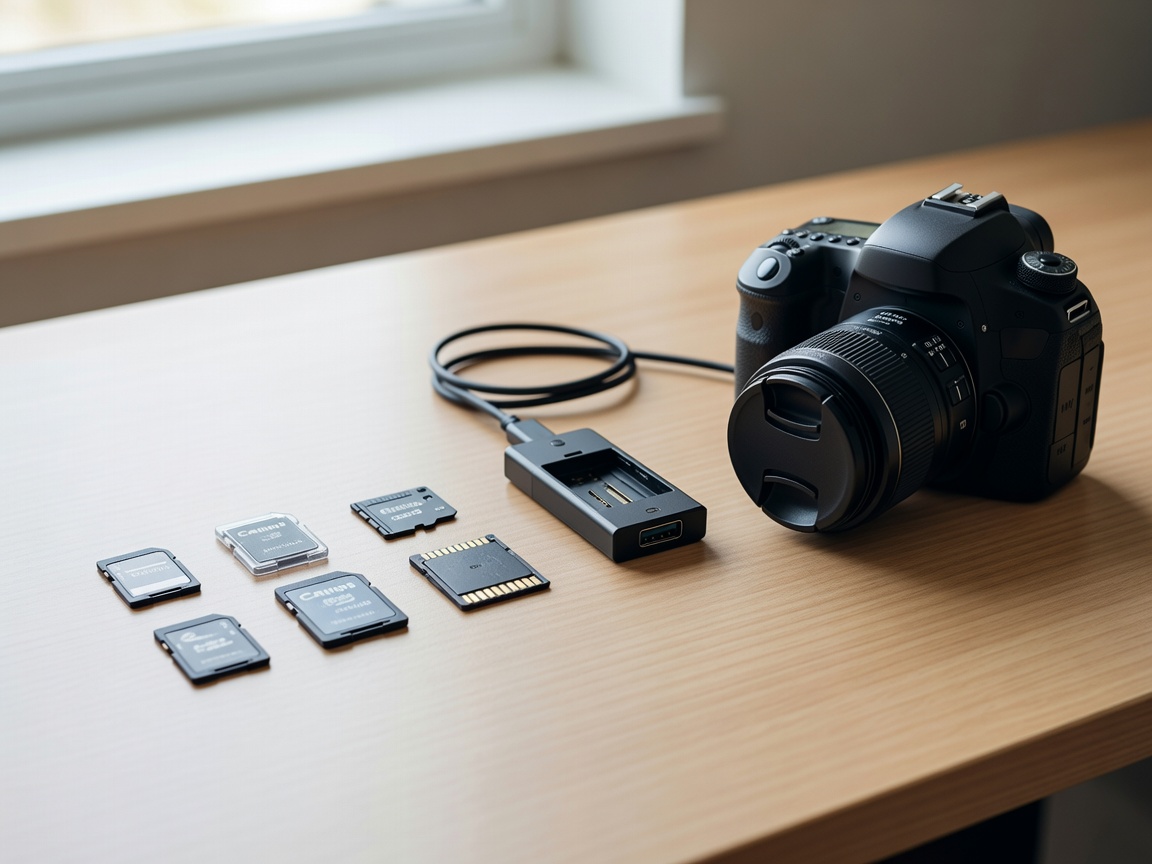
Build a simple import routine that works without a reliable internet connection. Copy files to separate storage locations, verify that the copies are readable and retain the memory card until your backup policy allows reuse. Two folders on the same drive are not protection against that drive failing.
Use a consistent naming scheme for dates, sites and sessions. Record the lesson being tested while it is still fresh. A short note such as “closer position, lower strobe power” can make a review more informative than hundreds of files with no context. Be careful about embedding or publishing exact locations for sensitive wildlife.
Finish by preparing only what the next day needs. Charge within the operator’s rules, inspect obvious wear and stop before tiredness turns routine assembly into guesswork. A reliable photographic system includes the person operating it, not just the equipment in the bag.
Plan responsible photographic practice