Field guide / 04 / Marine practice
Photograph Without Pressuring Wildlife
An image is optional. The animal’s freedom to behave normally and the habitat’s condition are not secondary to the composition.
Begin before the encounter
Responsible photography starts with trip selection. Ask how the operator briefs wildlife interactions, limits crowding and responds when a photographer touches the reef or pursues an animal. A policy matters most when staff are willing to interrupt a popular encounter to enforce it.
Request the rules for the actual site and species rather than accepting a general promise of eco-friendly diving. Marine protected areas can set restrictions on access, lighting, equipment, approach distances and group behaviour. These may change. The current local briefing and applicable regulations take priority over general advice on this website.
Prepare your own equipment to reduce accidental contact. Secure dangling accessories, understand the rig’s buoyancy and practise controlling its position away from fragile habitat. If managing the system prevents reliable awareness of your fins, body and surroundings, simplify it and seek appropriate diving instruction before using it near sensitive life.
Let observation change the photograph
Approach slowly and leave space for the animal to move away. Do not chase a subject into a crevice, surround it with photographers or place a camera where it blocks an exit. An animal remaining still does not necessarily mean it is comfortable. Freezing, retreating or repeatedly changing direction can be reasons to back away; interpreting behaviour requires species-specific knowledge.
Ask your guide what behaviour to watch for, but do not use a guide’s enthusiasm as permission to ignore obvious disturbance. If another photographer is already working with a subject, wait at a distance rather than adding a second ring of lights and equipment. Shorten the encounter when cumulative attention becomes a concern.
Do not reposition, restrain, uncover or provoke wildlife to improve a frame. Do not ask staff to move a small animal onto a cleaner background. The resulting image may hide the intervention, but the intervention still happened. A less tidy photograph of undisturbed behaviour is a stronger outcome than a staged encounter presented as natural.
There is no universal safe flash count
Species, circumstances and local rules differ. A fixed number of photographs cannot guarantee that flash or video lighting is harmless. Follow restrictions, avoid unnecessary repeated bursts and stop if the animal shows a concerning change in behaviour. Where lighting is prohibited, an appealing technical workaround is not a reason to disregard the rule.
Position and test equipment away from the subject where practical, so a limited encounter is not consumed by avoidable adjustments. Use the least intrusive approach consistent with the site’s rules and the animal’s welfare. If the required light, distance or angle would create pressure, accept that the photograph is not available.
The same principle applies to large animals. A wide-angle lens does not entitle a photographer to close distance. Avoid obstructing travel, surfacing, feeding or cleaning behaviour. Follow the guide’s instructions and the relevant encounter protocol rather than copying an image made somewhere under different conditions.
Keep the habitat in the frame of attention
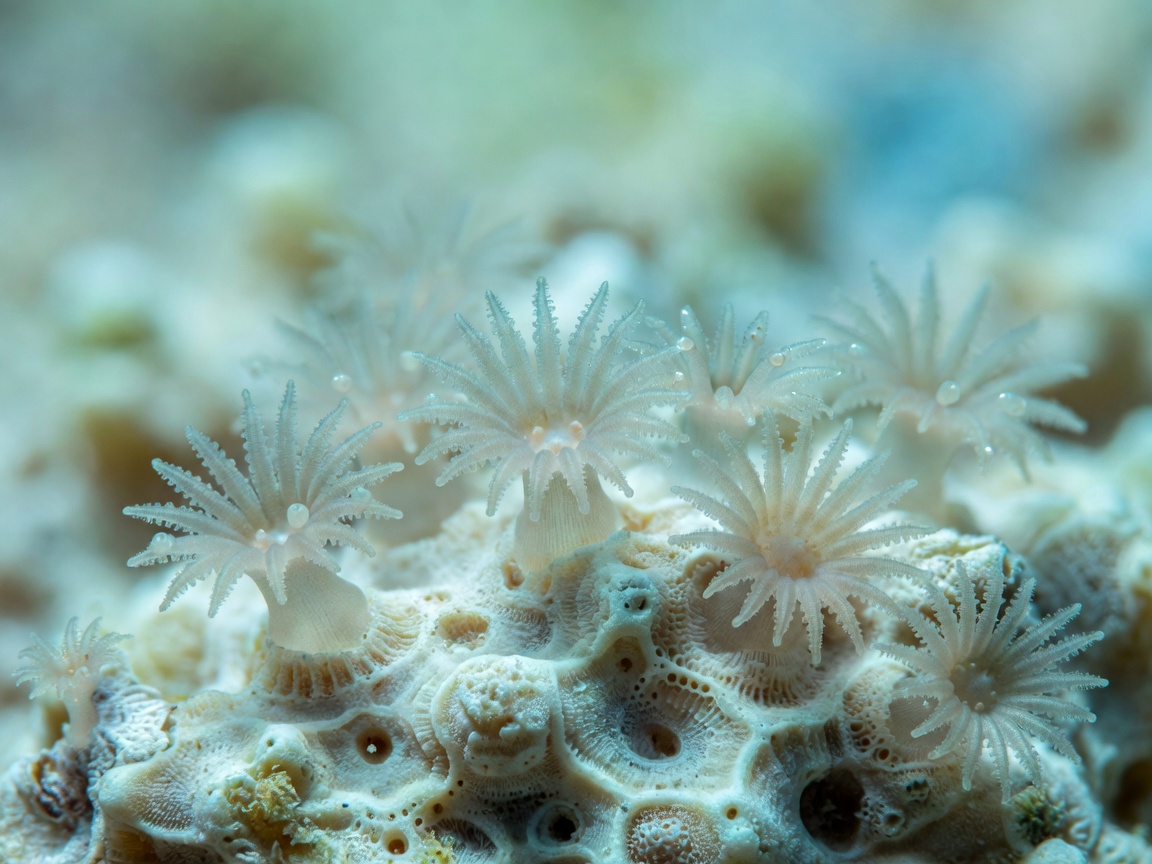
Concentration on a tiny subject can narrow awareness until the surrounding reef disappears from thought. Before settling into a position, check what lies beneath your fins, strobe arms and elbows. Do not kneel, stand or brace on living reef to stabilise a camera. Apparently bare substrate can also contain vulnerable organisms.
Avoid fin movements that lift sediment onto nearby life or destroy the visibility for other divers. If there is no stable, non-contact position, change your angle or leave. Photography should fit the available space, not force the environment to accommodate your preferred composition.
Organisations such as The Reef-World Foundation, through Green Fins, and the Manta Trust publish useful guidance on marine tourism and encounters. Consult their current material alongside local rules. A reference to a recognised organisation is not proof that a particular operator meets its standards; verify any claimed membership or accreditation directly.
A wildlife-practice checklist
- Confirm the site rules, lighting restrictions and agreed group behaviour before entry.
- Check buoyancy and secure accessories before approaching a sensitive area.
- Leave the animal an unobstructed route away and avoid surrounding it.
- Refuse touching, moving, baiting or provoking wildlife for a photograph.
- Watch the whole rig and the habitat, not only the viewfinder.
- Reduce attention or leave when behaviour changes or the guide ends the encounter.
- Be willing to return without the photograph you imagined.
Publish with the same care
Responsible practice continues after the dive. Avoid disclosing precise locations for vulnerable or heavily pressured species when that could increase disturbance. Describe manipulated or captive situations honestly, and do not imply an image documents untouched behaviour if an animal was handled or directed.
When choosing which photographs to share, consider the behaviour they encourage. A dramatic close encounter can become an invitation to imitate an unsafe or intrusive approach. Good captions explain context and limits. The strongest expedition story may be about the decision to wait, change direction or leave a subject undisturbed.