Field guide / 01 / Trip formats
Different Boats, Different Working Days
Choose the structure that gives you a workable rhythm: safe access, deliberate practice, careful camera handling and enough time to learn from the files.
Read the day, not just the route
A destination list tells you where a vessel hopes to go. It does not tell you how a photographic day will feel. Before comparing places, sketch the sequence from breakfast to the final image backup. Include briefings, transfers, equipment preparation, diving, meals, rest and review. A packed schedule can leave little attention for learning.
Ask which activities are optional, how schedule changes are communicated and whether a missed dive creates transport complications. More water time is not automatically more useful practice. Fatigue, cold and repeated equipment assembly can reduce the value of later sessions, even when the advertised itinerary looks generous.
Separate the photographer’s wish list from operational authority. The skipper and dive team decide whether conditions permit an activity. A tutor should adapt the photographic exercise to that decision, not pressure the team to preserve a planned subject or location.
Three working environments
Compare the practical differences
Shore-based workshops
A fixed base can make it easier to repeat a productive site, spread equipment across a proper workspace and hold regular reviews. It may also offer flexibility when a participant needs rest. But “shore diving” does not necessarily mean an easy entry: steps, slippery rocks, surf and long carries can be significant constraints. Ask about the actual access route with a fully assembled rig.
Day-boat programmes
Day boats combine a land base with access to offshore sites. The weak point can be the transfer chain: room, vehicle, dock, boat and back again. Clarify how cameras are protected, whether there is dry storage and when batteries can be charged. A brief return journey may suit evening critique; a long transfer can quietly consume that time.
Liveaboard expeditions
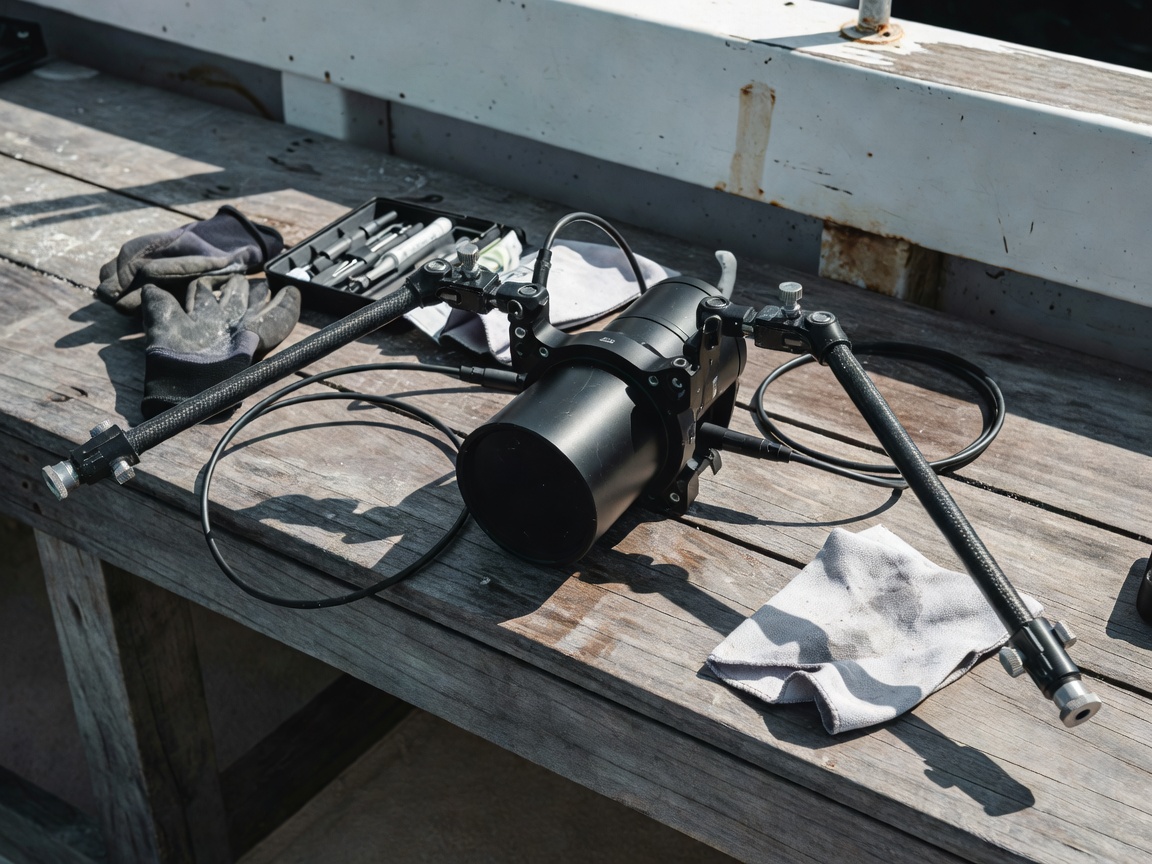
A liveaboard can reduce daily commuting and place accommodation close to the working area. It can also mean shared charging stations, limited table space, moving decks and little separation between rest and activity. Ask about tender procedures, camera handovers, ventilation, noise and the realistic teaching timetable. Vessel comfort and photographic suitability are related, but they are not interchangeable.
Conditions outrank destination labels
Lembeh Strait is associated with small-subject photography, while Raja Ampat is often discussed through reef scenes and marine diversity. Neither name guarantees the conditions, subjects or teaching environment needed for a particular exercise. Ask about season, specific sites, expected visibility and the operator’s alternatives rather than assuming the destination supplies a photographic outcome.
The same caution applies to the Red Sea, Komodo National Park, the Galápagos Islands and the Maldives. A region can contain sites with very different current patterns, access procedures and experience requirements. Information about one sheltered bay does not establish suitability for the whole itinerary. Confirm the most demanding planned activity, not merely the average day.
For colder-water possibilities such as Norway’s fjords, thermal protection, dexterity and familiarity with the intended equipment become central. A photography workshop is not the place to rely on an unfamiliar exposure system without appropriate preparation and training.
Make suitability a written conversation
Describe your recent diving honestly: conditions, equipment, buoyancy comfort and any relevant limitations. A certification card alone does not show whether you can manage a camera while coping with an entry, current or reduced visibility. Ask the operator what experience it requires, whether a check dive is used and how unsuitable conditions are handled.
Request a clear division of responsibilities. Who conducts the dive briefing? Who supervises the group? Is the tutor also performing an operational role? Who supports a photographer who stops shooting or ends a dive? The answers matter more than a promotional promise of personal attention.
Finally, compare cancellation terms, weather substitutions, insurance requirements and the items excluded from the price. Confirm park charges, transfers, equipment rental, single-room arrangements and the treatment of changed itineraries directly with the provider. This website does not publish live availability or endorse an operator.
A useful final comparison
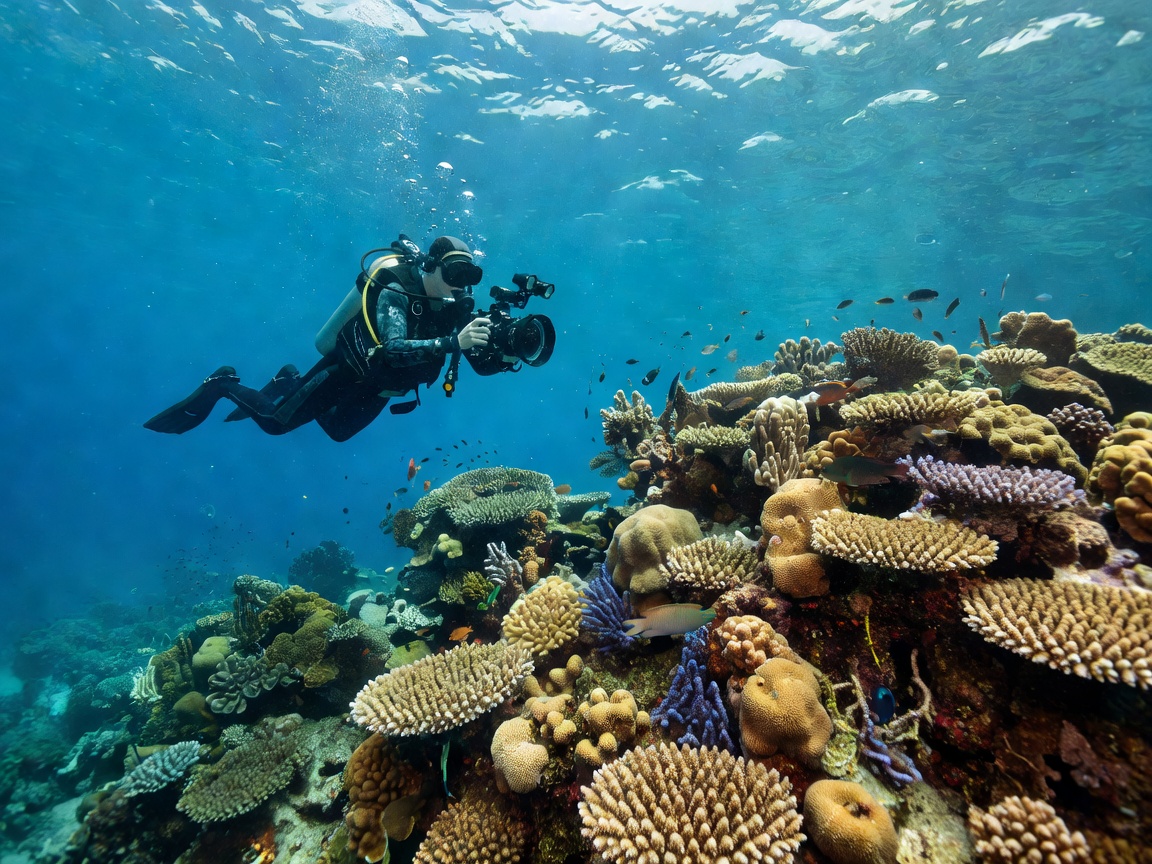
Put each shortlisted trip through the same test: can you reach the water comfortably, prepare the system carefully, practise one clear skill and review the results without rushing? If an itinerary cannot explain that cycle, ask more questions before paying. A modest programme with repeatable learning conditions can be a stronger choice than a spectacular route that leaves no space to think.