Field guide / 02 / Photographic tuition
From Briefing to Image Review
Useful tuition connects a specific photographic intention with a manageable exercise, honest feedback and a clearer decision on the next dive.
Define improvement before departure
“Take better photographs” is understandable, but too broad to guide a short expedition. Try an observable aim instead: separate a small subject from its background, control bright water behind a reef, or produce a sequence that shows both habitat and detail. Tell the tutor what you already understand and where your process becomes uncertain.
Bring a small selection of representative files, including unsuccessful attempts. A missed focus point or unevenly lit frame often tells a teacher more than a single favourite photograph. Preserve exposure information where possible, and be ready to explain what you intended rather than only what the picture shows.
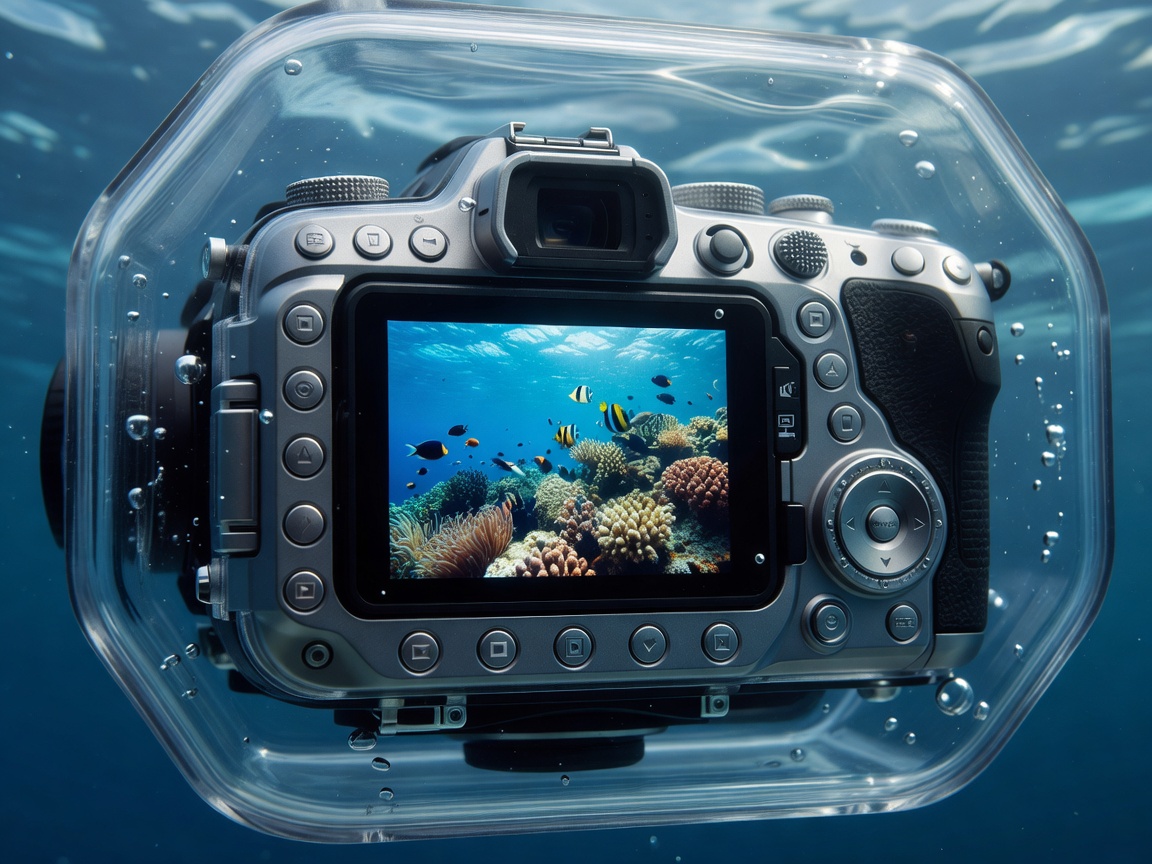
Ask whether the workshop supports your camera and housing combination. A teacher does not need to own every model, but should be clear about the concepts taught and any system-specific limits. Time spent searching an unfamiliar menu can consume a practical session if nobody has prepared.
A repeatable learning sequence
Look for the whole cycle
Brief one photographic problem
A useful briefing explains the aim, likely constraints and a fallback exercise. It should distinguish camera settings from diving instructions and identify when the task should be abandoned. Ask for the reason behind a starting setup rather than treating settings as a universal recipe.
Practise without dividing attention excessively
Keep the exercise simple enough to preserve awareness of buoyancy, breathing gas, depth, buddy position and the environment. If conditions become demanding, photography becomes secondary. Underwater teaching signals must be agreed in advance and must not conflict with the dive team’s safety communication.
Review the evidence
Look at a short series rather than isolated successes. Compare changes in angle, distance, exposure and lighting. Distinguish missed focus from motion blur, and backscatter from subject texture. Useful feedback identifies a decision you can change, not merely a vague preference for a more dramatic picture.
Choose the next adjustment
Leave the session with one or two actions, not a long list of unrelated corrections. Repeat the exercise when conditions and wildlife permit. Improvement becomes easier to recognise when the next attempt tests a clear idea instead of changing everything at once.
Teaching time needs an actual place in the day
Ask how many participants share the tutor and how feedback is distributed. A small group does not guarantee individual attention if the tutor is also guiding, managing logistics or preparing a separate presentation. Conversely, a well-organised group review can be valuable when everyone has permission to ask questions and different experience levels are handled thoughtfully.
Clarify whether image review is scheduled, optional or subject to spare time. Find out whether you need a laptop, card reader and editing software, and whether the venue has a display suitable for group discussion. Bright outdoor screens and hurried conversations over dinner are not equivalent to a planned critique.
Teaching should also allow people to decline public critique. Ask how files are shared, whether sessions are recorded and whether photographs may be used in promotion. Your participation should not be treated as automatic permission to publish your images.
Separate technical learning from equipment buying
A weak photograph is not necessarily a purchasing problem. Subject distance, angle, patience and lighting placement often deserve examination before another accessory. Ask whether a technique can be practised with the system you already own and what a suggested upgrade would specifically change.
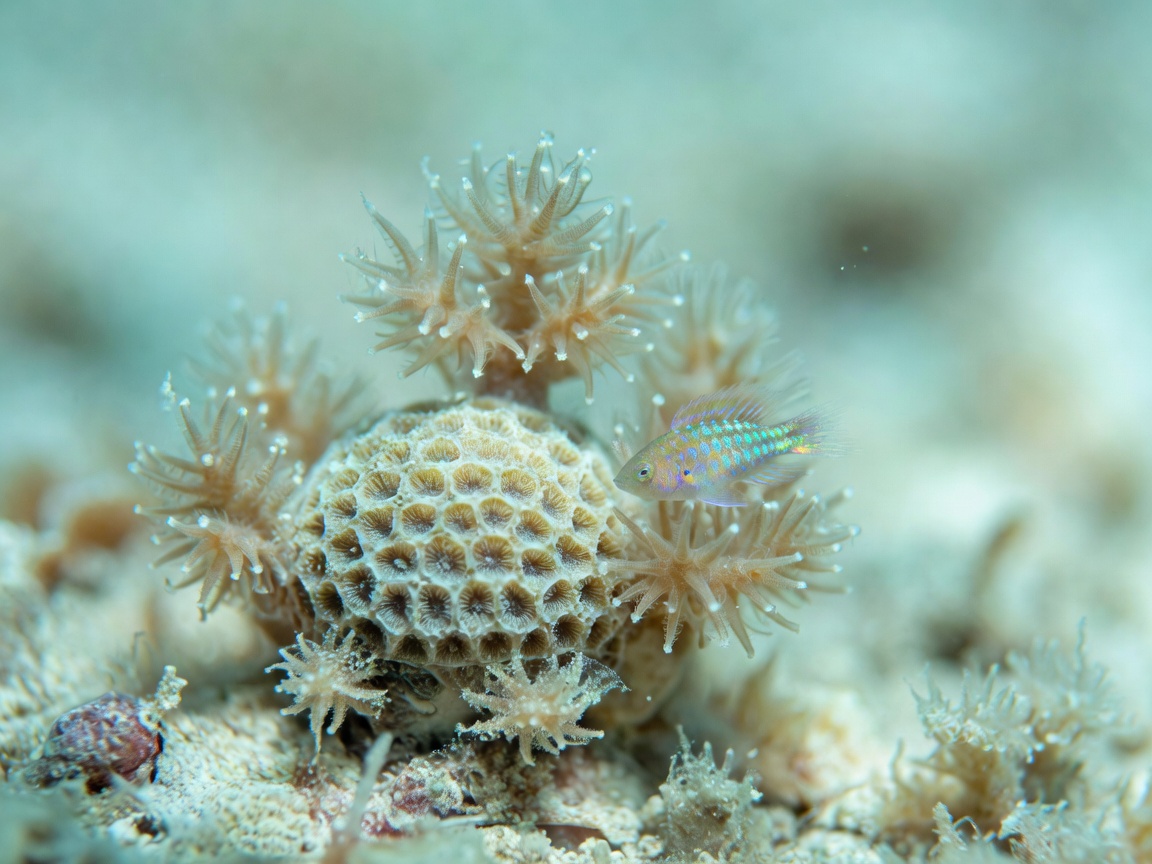
For wide-angle work, useful discussions may include the relationship between ambient exposure and strobe-lit foregrounds, edge quality and subject distance. For close-up work, focus placement, depth of field and background control may be more relevant. These are learning topics, not promises that a particular setting will succeed in every water condition.
Photographers such as Alex Mustard and Martin Edge have helped make underwater photographic technique accessible through their writing. Their books can support preparation, but reading does not replace supervised diving development or site-specific advice. Use references to build better questions, not to override the people responsible for the operation.
Know what a workshop cannot promise
Tuition cannot guarantee wildlife encounters, clear water or a portfolio-worthy result. Nor does a photography attendance certificate replace a diving qualification from an appropriate training agency. If basic buoyancy or task loading prevents comfortable camera use, arrange suitable diving instruction before adding photographic complexity.
A strong workshop leaves you with a method you can reuse: an intention, a safe opportunity to practise, a critical look at the result and a justified next step. That is a more durable outcome than returning with a single image whose making you cannot explain.